The NZD/USD exchange rate has plunged sharply this year, and is hovering around its lowest level since 2009. It has now slumped by over 9% from its highest point this year, and this trend may continue after last Friday’s strong US nonfarm payrolls (NFP) data.
US jobs numbers raise interest rate hike odds
The NZD/USD pair made a strong bearish breakout on Friday after the US published a strong nonfarm payrolls (NFP) report. The data showed that the economy added 165k jobs last month, while the unemployment rate dropped to 4.1%. These numbers were much higher than what analysts were expecting.
Therefore, traders are betting that the Federal Reserve will hike interest rates in December. The CME FedWatch tool places the possibility of the bank hiking rates in the next meeting at 76.3%. Odds have jumped to over 95% on Polymarket and Kalshi.
These odds will also depend on the upcoming US consumer inflation numbers coming out on Tuesday. Economists expect the upcoming report to show that consumer inflation softened a bit last month. However, the annual inflation figure is expected to remain above the 2% target.
A stronger-than-expected inflation report will boost the possibility of the Fed hiking rates in the next meeting. In the last meeting, the bank decided to leave interest rates unchanged, with two officials – Beth Hammack and Lisa Cook – voting to hike rates.
New Zealand close election
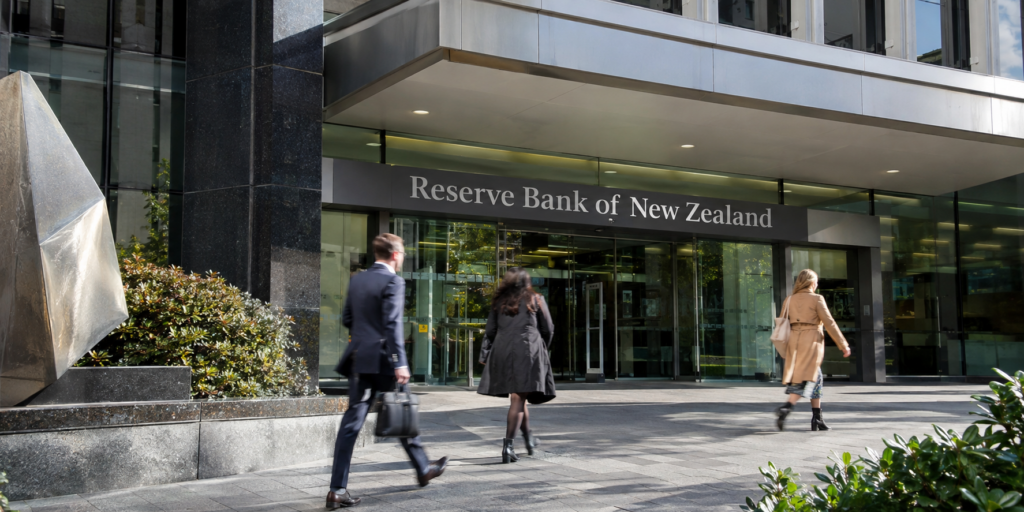
The NZD/USD pair has also slumped as investors wait for the outcome of the recent general election. The election has been close, and the shape of the next government will not be clear until November 27, when the 400,000 special votes will be counted.
These elections come at a time when the New Zealand economy is struggling, with inflation rising and wage growth being subdued. The most recent data showed that annual inflation slowed 3.7% in the September quarter from 4.1% in the previous quarter. Core inflation, however, rose and is still above the committee’s 1 to 3% target band.
Economic numbers show that export-driven sectors are benefiting from the high commodity prices and demand. On the other hand, domestic consumption remains weak. The RBNZ left interest rates unchanged at 2.75%, but maintained that it may be open to hiking interest rates if inflation remains high.
NZD/USD technical analysis
NZDUSD chart | Source: TradingView
The daily chart shows that the NZD/USD pair has been under pressure in the past few months. This sell-off intensified last Friday after the US published strong nonfarm payrolls report.
The pair has now moved below the important support level of 0.5566, its lowest level on October 14. Notably, the pair has slumped below all moving averages, while the Relative Strength Index (RSI) has continued falling.
Therefore, the pair will likely continue falling as sellers target the key support level of 0.5484, its lowest level in April 2025. A move above the resistance level of 0.5566 will invalidate the bearish outlook.
The post NZD/USD forecast: What next for the falling kiwi after New Zealand election? appeared first on Invezz