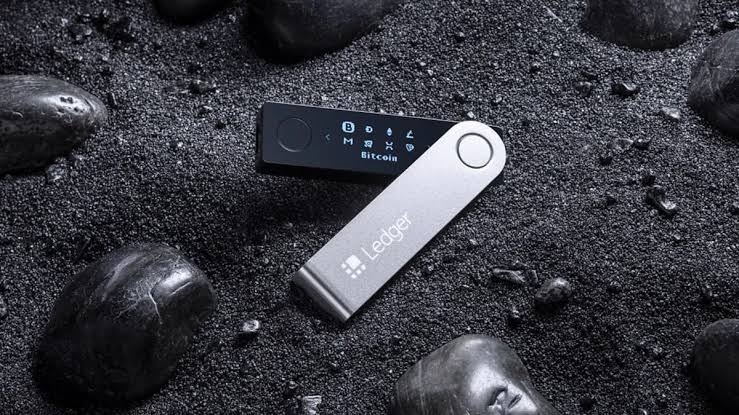
Cryptocurrency hardware wallet manufacturer Ledger has expanded its investigation into a sophisticated supply-chain attack after identifying physically modified devices in Germany and receiving additional reports of suspected tampering in the United Arab Emirates.In a security update published on November 18, 2026, Ledger confirmed that several tampered devices had been identified in Berlin, while two suspected cases in Dubai remained under investigation.The company linked the latest discoveries to the same security incident initially disclosed on October 15, involving unauthorized hardware modifications to devices distributed through third-party resellers in Southeast Asia.
Ledger also confirmed that one of its newer Nano Gen5 hardware wallets had been affected in Southeast Asia, expanding the known scope of compromised models. However, the manufacturer emphasized that investigators had found no vulnerability in its secure chip or operating system and no confirmed cases involving devices purchased directly from its official website.
Blockchain Investigators Estimate $1.68 Million in Berlin and Dubai Losses
The investigation expanded after two cryptocurrency investors reported substantial financial losses involving Ledger devices purchased from an authorized retailer in Dubai. The customers claimed to have purchased their hardware wallets from Virgin Megastore before discovering unauthorized transfers from their cryptocurrency accounts. One reported losing approximately 1,300 Solana (SOL), equivalent to around $97,000, while the other reported losing 507,000 USDT. Their combined reported losses reached approximately $604,000.
Separately, blockchain analytics firm Bitquery estimated on November 18 that approximately $1.68 million had been stolen from 16 cryptocurrency wallets associated with incidents in Berlin and Dubai. The firm previously estimated that the wider Southeast Asian campaign had affected 335 wallets, resulting in approximately $102 million in cryptocurrency losses. However, Ledger has not independently confirmed either aggregate loss estimate. The attacks involve genuine hardware wallets modified with unauthorized electronic components before being distributed to customers. These modifications are designed to capture sensitive recovery information during wallet initialization, potentially allowing attackers to access cryptocurrency holdings without compromising the original device’s security chip.
Ledger Offers Physical Inspections and Advises Customers to Move Funds
Ledger has advised customers concerned about devices purchased through third-party sellers in Southeast Asia, Berlin since January 2026, or Dubai to contact its official support team. Customers who suspect their devices have been tampered with should avoid using them to create or restore cryptocurrency wallets. For devices already initialized, Ledger recommends transferring assets to a new wallet using an entirely new recovery phrase generated on a device purchased directly from its official website. Reusing an existing recovery phrase could leave funds exposed if the original phrase has already been intercepted.
Ledger is also temporarily offering physical device examinations, including X-ray inspections, at its manufacturing facility in Vierzon, France. The company continues working with distributors and authorities to identify compromised devices and determine how they entered legitimate retail channels. The disclosure follows rival manufacturer Trezor’s confirmation of malicious hardware implants in three Safe 5 wallets distributed through Southeast Asian reseller CryptoBilis. The incidents highlight growing supply-chain security risks within the cryptocurrency hardware wallet industry, where physical tampering can undermine otherwise secure devices before they reach customers. Ledger expects additional affected units could be discovered as its investigation continues.